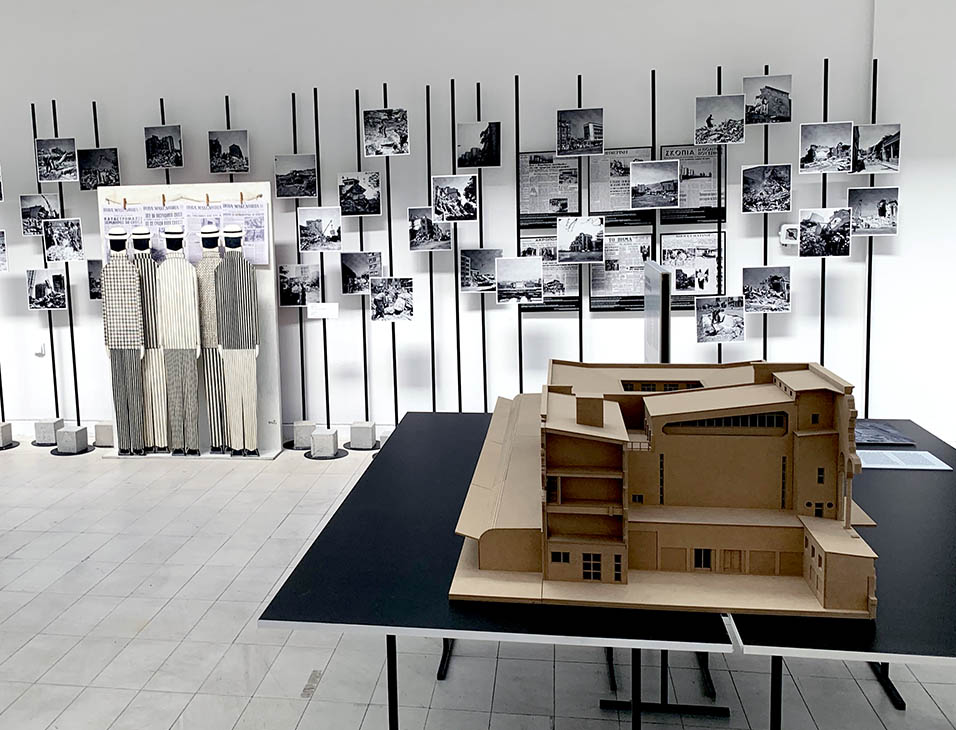
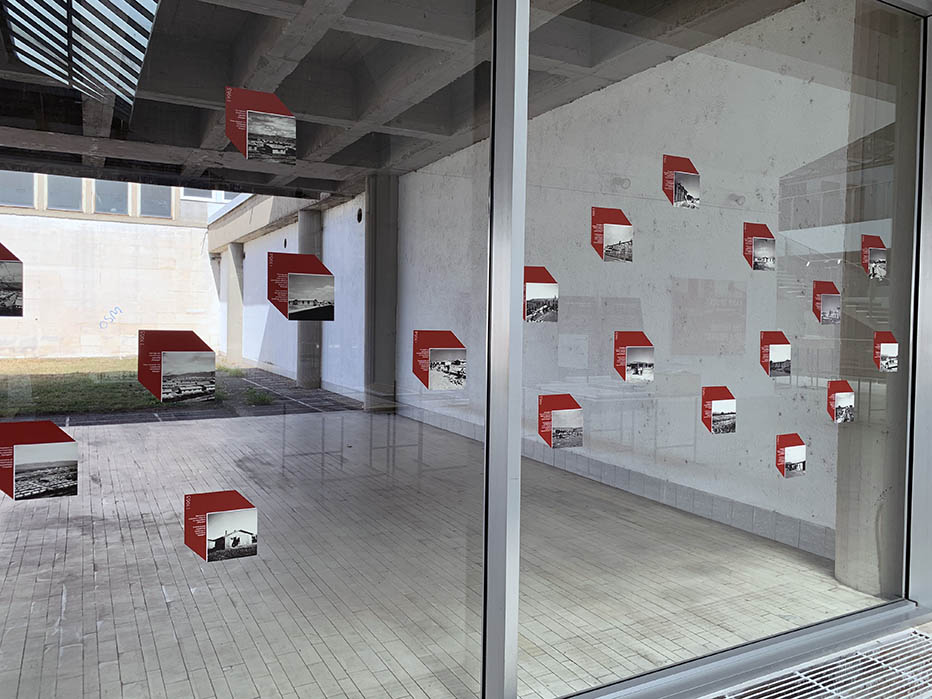
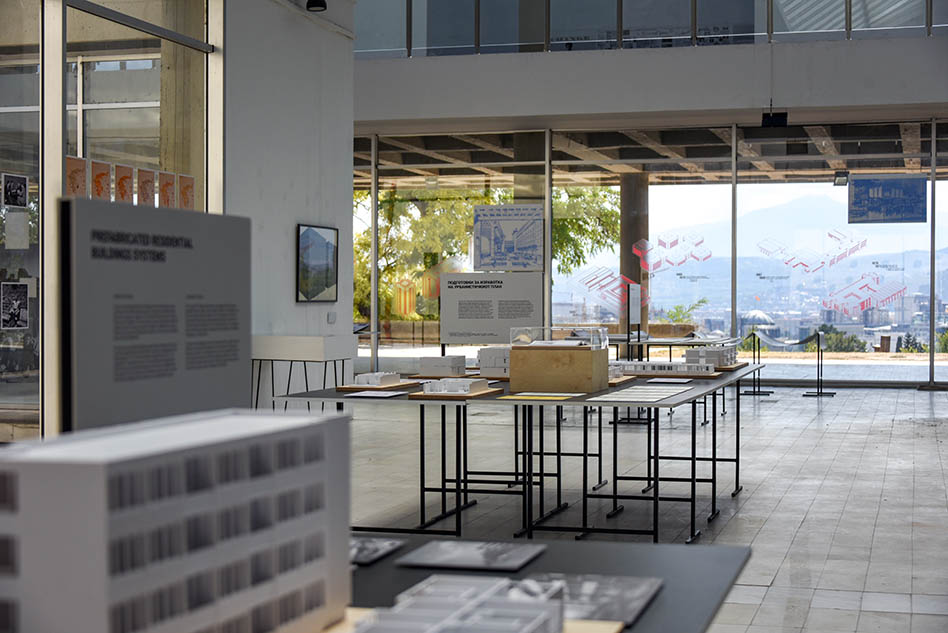
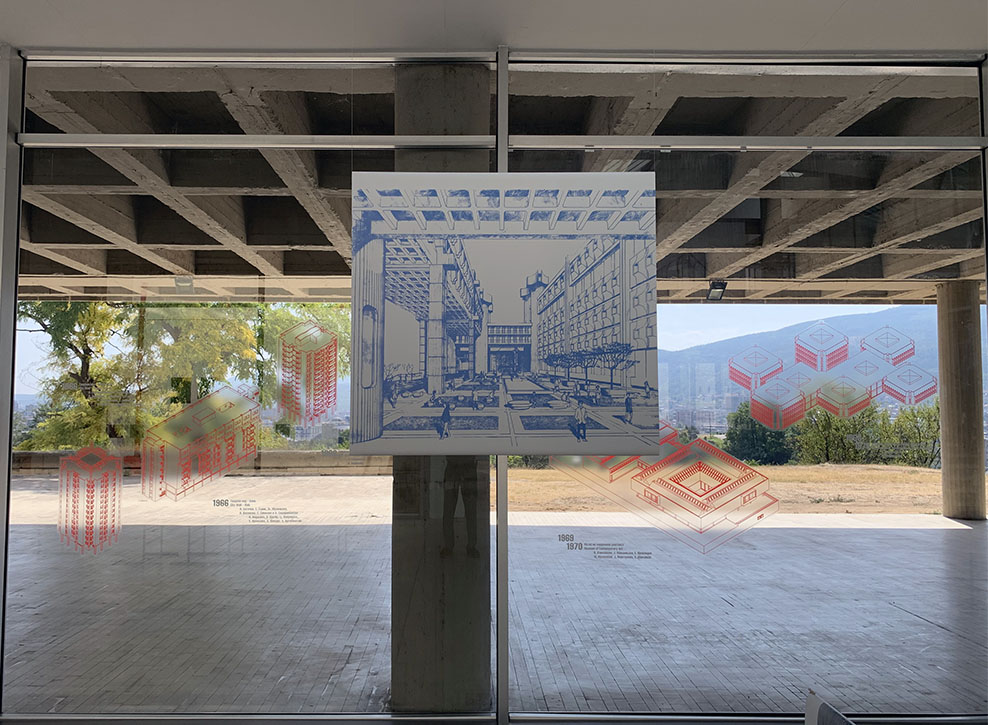
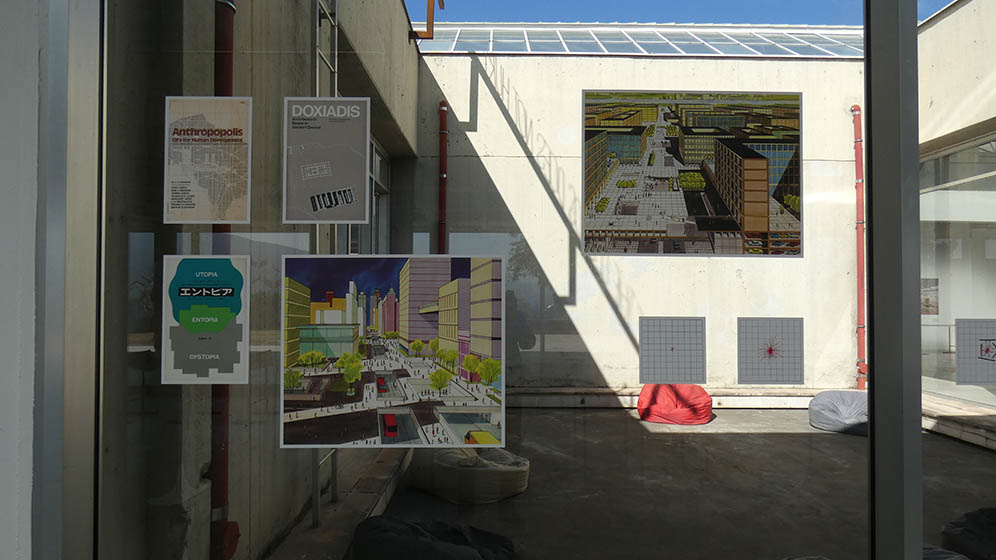
In the year when Skopje marks 60 years since the catastrophic earthquake that devastated the city on July 26, 1963, the exhibition “The Future as a Project – Doxiadis in Skopje” aims to once again put the story of Skopje’s reconstruction in the spotlight. Its focus is on the role and contribution of the Greek architect and planner – Konstantinos A. Doxiadis.
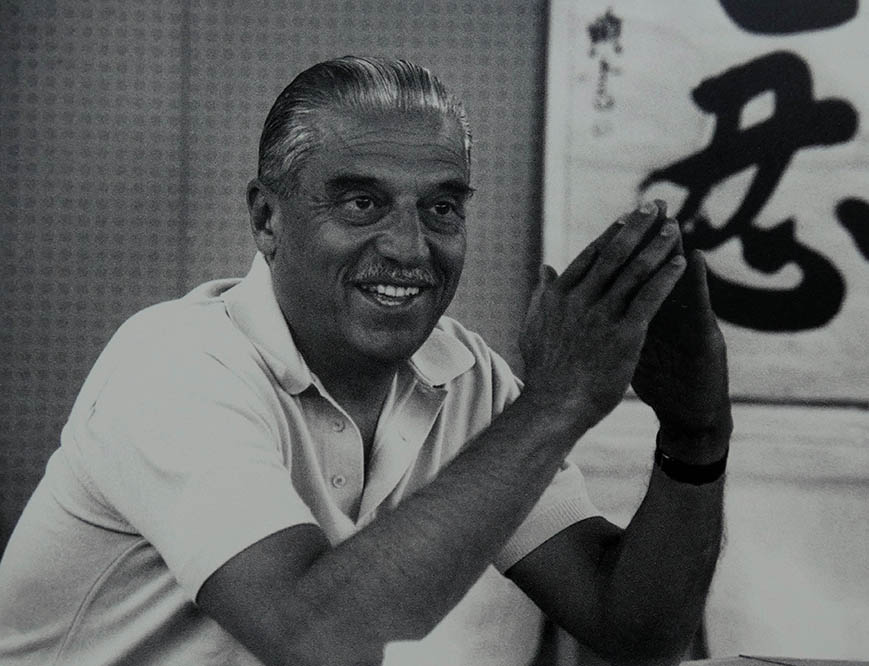
Doxiadis is one of many international experts invited by the United Nations to lead the process of rebuilding Skopje. In addition to Doxiadis’ strong professional commitment, the archives also reveal his deep empathy for the stricken city. His personal work and that of his company, their reports, detailed surveys of the earthquake-affected areas, housing studies, diagrams, words and thoughts… all contributed significantly and equally to the development of the Master Plan for the Reconstruction of Skopje.
Becoming a strategic tool for the transformation of the city into a cosmopolitan metropolis, the Master Plan paves the way for the construction boom that would follow in Skopje in the late 1960s and 1970s, transforming the “city of international solidarity” into one of the capitals of late-modern architecture and planning. Inspired by the spirit of the times, the narrative of a new beginning and the euphoria of renewal, international and domestic architects and planners jointly designed radical new cityscapes. Although it has been the subject of reassessment in the last decade, this, in many ways, unique period in Skopje’s turbulent history is still struggling for proper recognition, undergoing dramatic and destructive changes.
Five years after it was first presented at the Benaki Museum in Athens through an extensive exhibition, conference and book, “The Future as a Project – Doxiadis in Skopje” arrives in Skopje. Conceptually enriched with artworks from the valuable collection of the Museum of Contemporary Art in Skopje, donated by Greek artists, we hope that it will not only help to restore the memory of the achievements of the process of rebuilding Skopje, but will also contribute to the revival of the potential of architecture and its social responsibility.